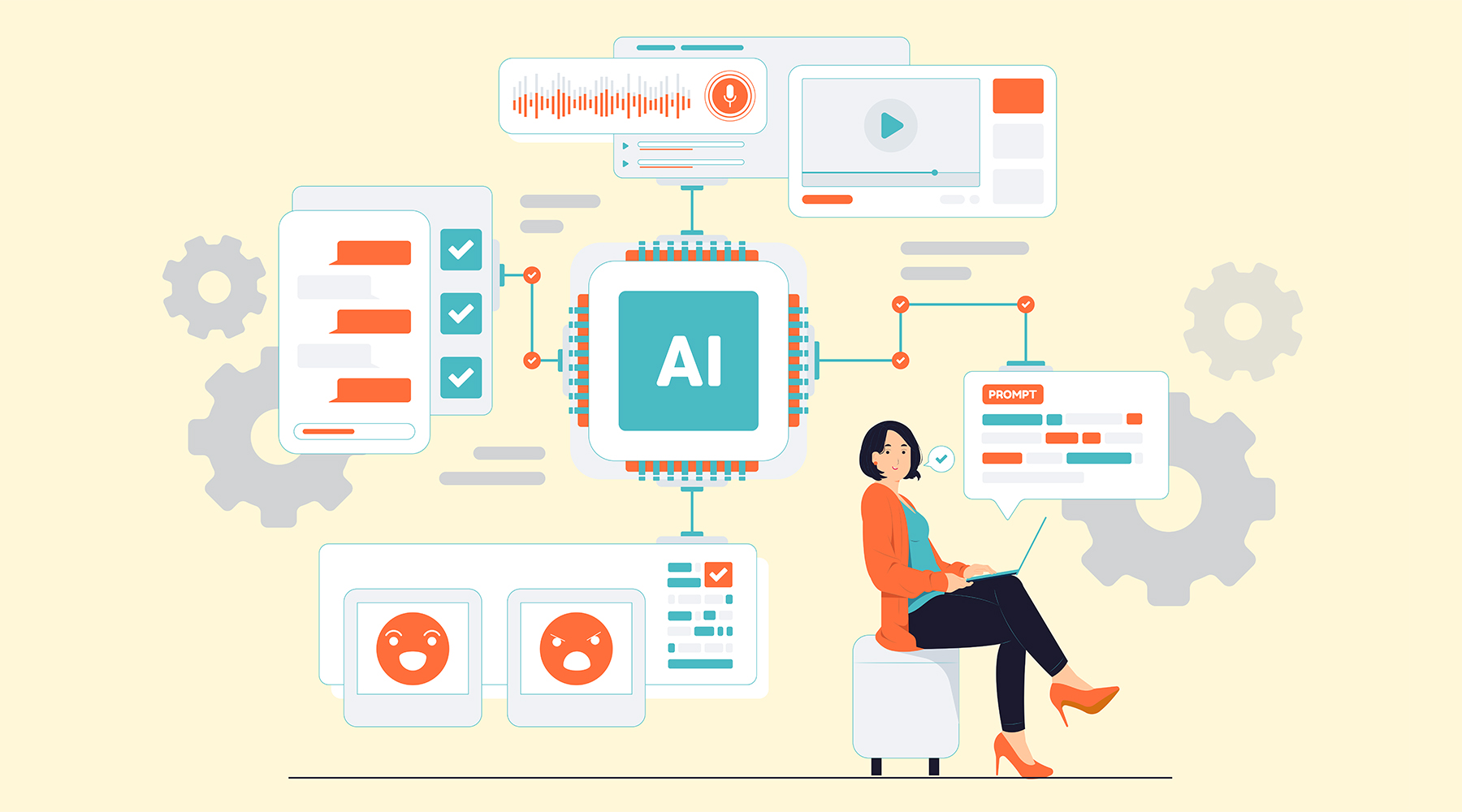
Artificial intelligence is everywhere—but in IT service management, most AI initiatives don’t deliver what teams expect. “According to reporting on MIT’s State of AI in Business 2025 study, up to 95% of enterprise generative AI pilots deliver little to no measurable business return, with only about 5% progressing to production and showing value.”
At Cireson, we’ve seen this firsthand. Even smart teams experimenting with tools like AI prospecting agents, traffic intelligence, or chatbots often find that AI feels expensive, time-consuming, and underwhelming.
So how do you create an AI strategy for ITSM that actually works?
This guide is for IT leaders, service managers, and teams who want to use AI in practical, grounded ways—without hype, complexity, or unrealistic expectations.
Why Most AI Strategies Fail in IT Service Management
Before building a successful AI roadmap, it’s important to understand what usually goes wrong:
- AI is adopted without a clear purpose
- Data is inconsistent or incomplete
- Processes aren’t defined before automation
- Expectations are unrealistic
If your workflows aren’t structured, AI simply accelerates inefficiency.
That’s why Cireson focuses on building AI into platforms like Tikit where structured service delivery already exists.
What AI Should Actually Do for ITSM Teams
A strong AI strategy for ITSM should help you:
- Reduce repetitive manual work
- Improve first response and resolution times
- Deliver consistent service experiences
- Surface insights across tickets and assets
- Support agents instead of replacing them
This is how AI is used as part of Tikit—as an assistant that enhances how your team works every day.
A Practical AI Strategy Checklist for ITSM
1. Start with Real ITSM Problems
Instead of asking “How can we use AI?” ask:
- Where do tickets slow down?
- What work is repetitive?
- Where do users get stuck?
AI works best when applied to friction points like ticket categorization, routing, and knowledge article suggestions—capabilities already supported inside Tikit’s workflows and automation.
2. Clean Up Your ITSM Data
AI depends on quality data.
Make sure:
- Ticket categories are standardized
- Knowledge articles are current
- Fields are consistently used
This is where a ticketing system that zips right into Microsoft Teams and works together with Power Automate creates the foundation AI needs.
3. Use AI to Assist Agents, Not Replace Them
The most successful AI strategies focus on augmentation:
- Drafting ticket responses
- Recommending KB articles
- Identifying patterns and trends
That’s exactly how Tikit supports IT teams—helping agents make better decisions faster.
4. Improve the End-User Experience with AI
AI should also improve self-service.
Examples:
- Natural language ticket creation
- Smarter search in the portal
- Guided request experiences
Learn how Cireson’s AI ticketing system delivers AI-powered experiences for users without overwhelming them.
5. Pilot, Measure, and Optimize
Start with one workflow or service area. Track:
- Time to resolution
- First response time
- Ticket reassignments
- User satisfaction
Then improve iteratively. AI strategy isn’t one-and-done—it’s ongoing.
What You Need in Place for AI Success in ITSM
AI won’t fix broken service delivery. But it will amplify what already works.
You need:
- Clear workflows
- Clean data
- Defined service processes
- Team buy-in
- Realistic expectations
Tikit provides the ITSM foundation that lets AI become a natural part of how service gets delivered.
You Don’t Need to Be an AI Expert to Get Started
You don’t need a data science team to improve ITSM with AI. You just need:
✔ The right problems
✔ The right data
✔ The right platform
That’s where Tikit comes in—helping teams deliver smarter, faster, more consistent service.
Ready to Build a Smarter AI Strategy for ITSM?
Explore how Cireson helps IT teams use AI the right way:
- Learn about Tikit